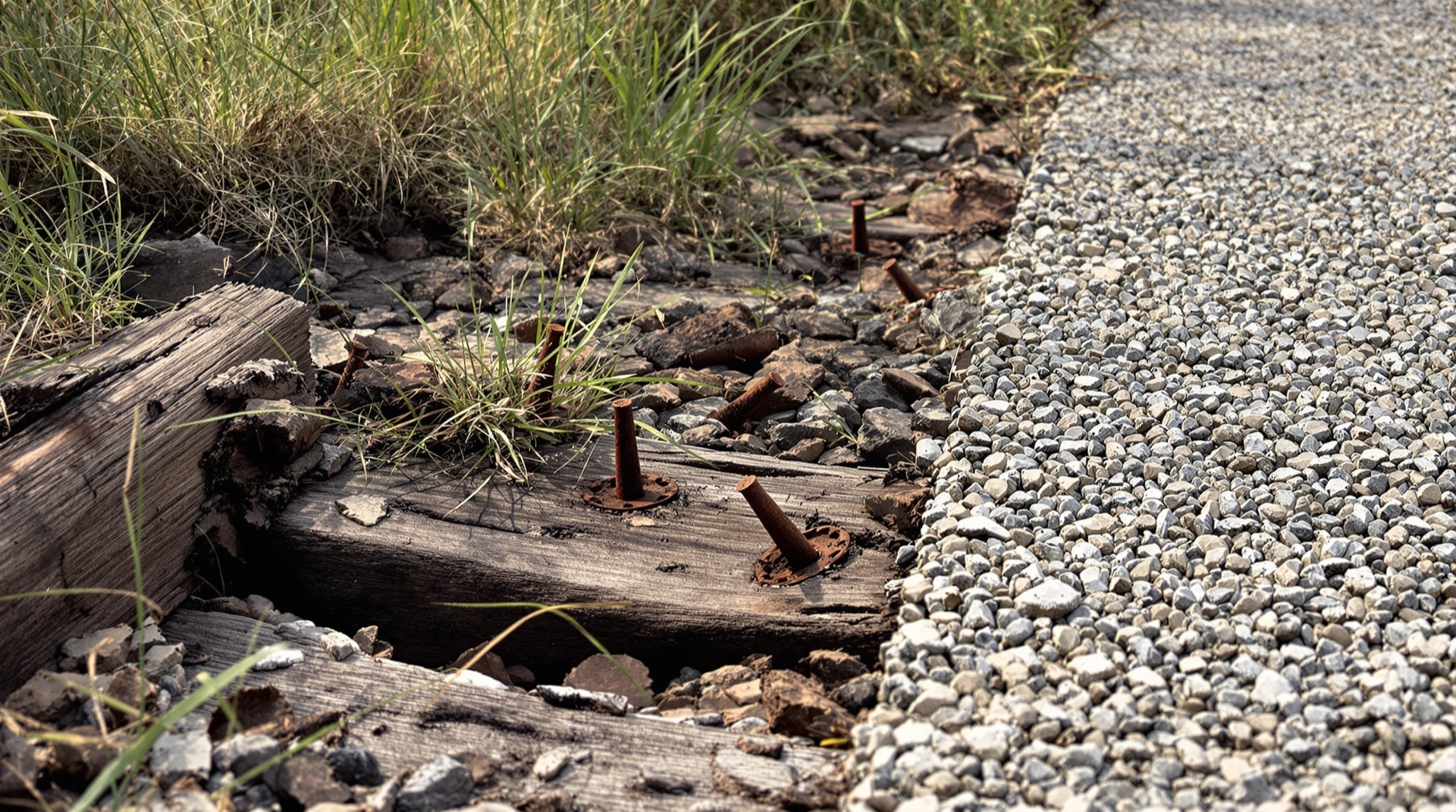
Every rail-trail is the result of a decision — sometimes a fight — to save a corridor instead of losing it. The rails-to-trails movement turned thousands of miles of abandoned railroad into public paths over the last half-century, and New York's dense railroad history made it fertile ground. This page tells that story: how railroads were abandoned, how corridors were preserved, and why the work continues.
Why the Railroads Left
The American railroad network peaked around 1916 and shrank steadily afterward. Trucks took the freight; automobiles took the passengers; mergers consolidated the survivors and shed the rest. In New York, wave after wave of abandonment — through the mid-century, and again after the Penn Central collapse and the Staggers Act deregulation of 1980 — left long corridors without trains. What remained were graded, drained, bridged rights-of-way running through the heart of communities: too valuable to waste, too linear to easily reuse for anything but a trail. The full sweep of those losses is described on our abandoned railroads page.
The Idea of a Trail
Converting a railbed to a path was not an obvious idea at first. Early conversions in the Midwest in the 1960s and 1970s proved the concept, and in 1986 the founding of the Rails-to-Trails Conservancy gave the movement a national organization and a name. The insight was simple but powerful: the qualities that made a corridor a good railroad — gentle grades, continuity, connection between towns — also made it an ideal trail. What had been built for freight could serve recreation with remarkably little change.
Railbanking: A Legal Tool
The movement's key legal innovation was railbanking, established in federal law in 1983. Railbanking lets a railroad corridor be preserved intact — used as a trail — while remaining legally available for possible future rail service. This keeps a corridor whole rather than letting it be broken up and sold off parcel by parcel when a railroad is abandoned. Many of New York's trails exist because a corridor was railbanked at the critical moment, a process the Conservancy and federal partners helped standardize and defend through years of legal challenges.
Building the Trails in New York
In New York the work has been done by a coalition of state agencies, counties, towns, and tireless volunteer groups. The state has folded major corridors into the Erie Canalway and the Empire State Trail; counties have built commuter greenways; and small local “friends” groups have cleared brush, restored trestles, and raised money culvert by culvert. Federal help has come through programs like the National Park Service's Rivers, Trails & Conservation Assistance program, and state Recreational Trails Program grants have funded countless local projects — including work on the Rutland Trail corridor itself.
How a Corridor Gets Saved Today
The mechanics are less romantic than the outcome. A railroad that wants to give up a line files with the federal Surface Transportation Board, and that filing starts a clock. Within it, a would-be trail sponsor — a town, a county, a land trust, a friends group — can ask for an interim trail-use arrangement under the National Trails System Act, and must state that it is willing to take on the corridor's management and liability. If the railroad agrees, the corridor is railbanked rather than abandoned: preserved whole, used as a trail, and legally available for rail again in some distant future. Miss the window and the right-of-way can revert or be sold in pieces, which is why local groups watch abandonment notices so closely.
More Than Recreation
Over time, the case for rail-trails grew beyond recreation. Studies have linked trails to public health, to property values, and to local economies, as visitors spend money in the towns their rides pass through. The Wallkill Valley trail helped anchor New Paltz as an outdoor-recreation town; the Genesee Valley Greenway draws visitors to a rural corridor that had lost its railroad decades before. A saved corridor, it turns out, keeps paying dividends long after the last train.
Unfinished Work
The movement is not done. Corridors are still being abandoned, and each one is a chance — or a loss. Gaps remain between many completed trails, and closing them is the current frontier of the work. Every trail in our rail-trails directory is a reminder that a corridor saved is a corridor that can be enjoyed for generations, while a corridor lost is almost never recovered.